

- Macroeconomics: Study of the entire economy, covers its ups and downs.
- Ex. GDP, inflation, unemployment
- Think of it as the big picture.
- Microeconomics: Study of the parts of economy, how people make their decisions and how their decisions interact.
- Ex. Supply and demand, market structures
- Think of it as the details of the big picture.
- Positive: Describes the ways the economy works. It is based on fact.
- Ex. Minimum wage laws cause unemployment
- Normative: Describes how the economy should work. It is based on opinion.
- Ex. Gas prices are too high
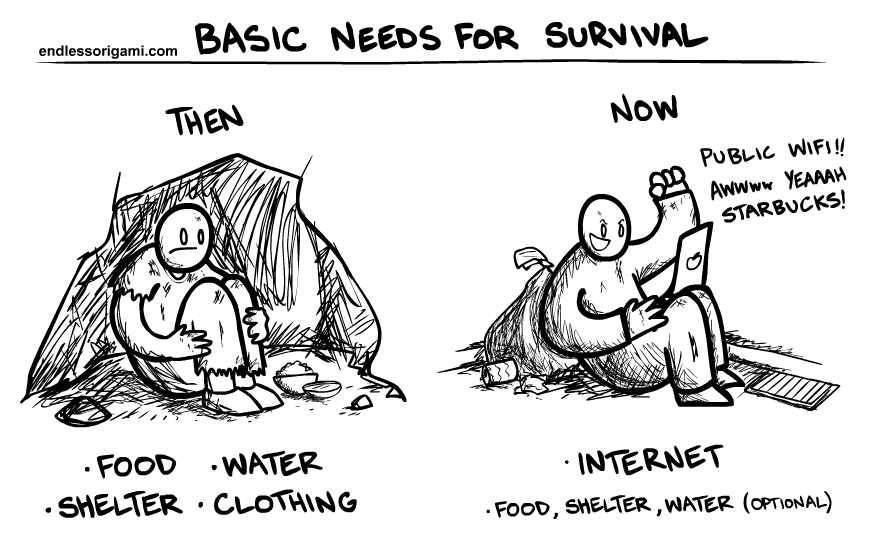 3. Needs vs. Wants (This is Pretty Self-Explanatory, Isn't It?)
- Needs: Something that is necessary for survival, like food, water and shelter.
- Wants: Something that you beg your parents for even though you don't really need it, such as that new phone or maybe a pet snake.
4. Scarcity vs. Shortage
- Scarcity: The most fundamental economic problem that all societies face.
- Trying to satisfy unlimited demand with limited resources.
- It is permanent.
- Shortage: Where the quantity demanded is greater than the quantity supplied.
- It is temporary.
5. Goods vs. Services
- Goods: Tangible items you can buy.
- Consumer Goods vs. Capital Goods
- Consumer: Items intended for final use by the consumer.
- Capital: Items used in the creation of other goods.
- Services: Work performed for someone else
6. Four Factors of Production


- Land: Natural resources
- Labor: Work force
- Capital: Human vs. Physical
- Human: Any knowledge/skills gained through education or experience
- Physical: Human-made objects used to create other goods or services
- Entrepreneurship: Innovative risk-taker
7. Important Terms
- Trade-Offs: Alternatives that we give up when we choose one course of action over another.
- Opportunity Cost: A type of trade-off, wherein the most desirable alternative must be given up when making a decision
- "Guns or Butter": Think of this in literal terms - is the government spending money on the military, or agriculture? How are we allocating our resources?


0 comments:
Post a Comment